
Liaison office of Grand Ayatullah Sayyid Ali Al Sistani (L.M.H.L) in London, Europe, North and South America.

- Activities
- 27 Rabi I 1448
The Representative of the Supreme Religious Authority in Europe Says:
Among the Supreme Religious Authority’s recommendations to young people are to focus on faith in Allah and the Hereafter, uphold noble moral values, cultivate a spirit of learning and knowledge, work on self-reform, and strive to master a profession and acquire a specialized field of expertise.
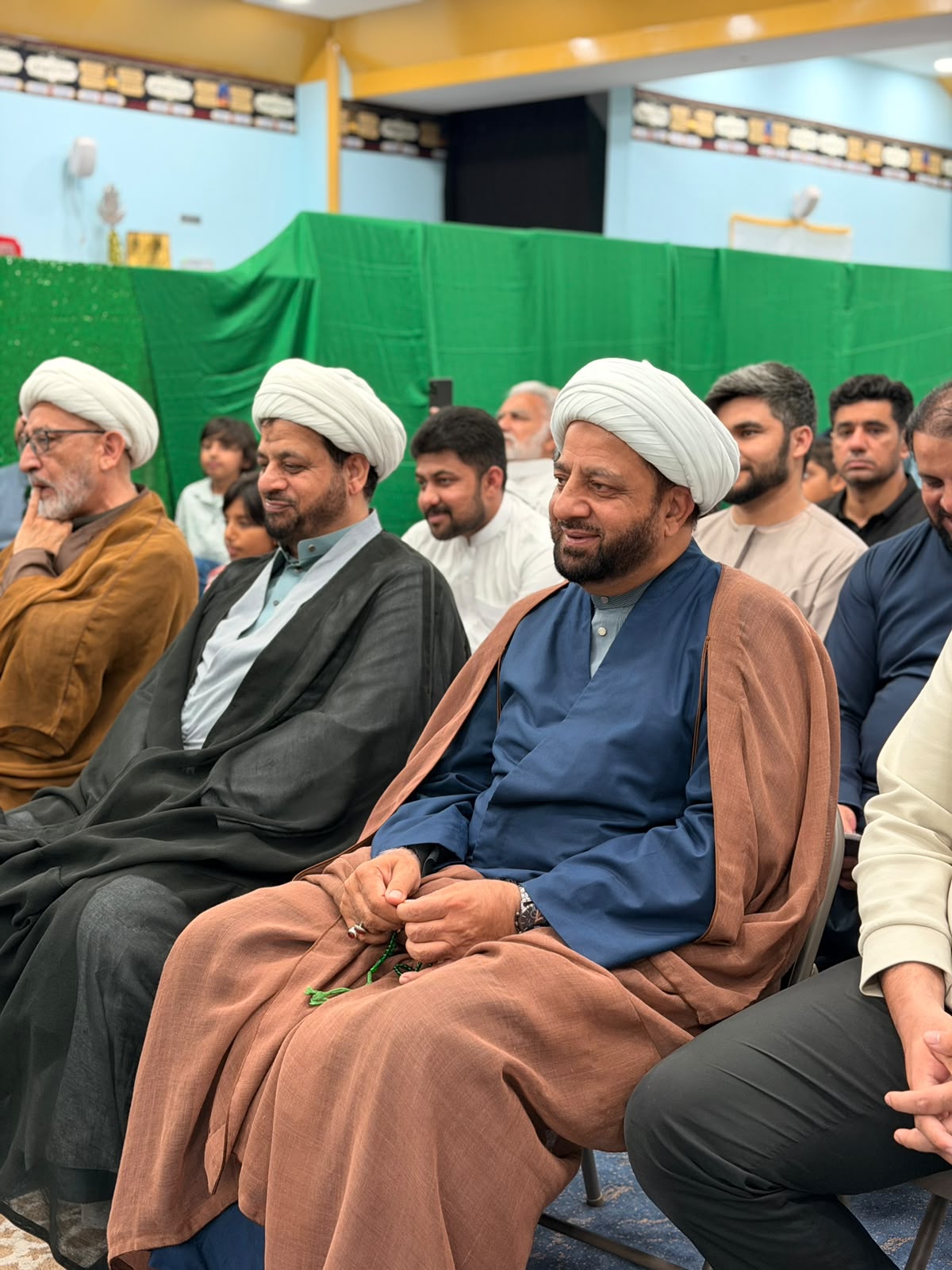
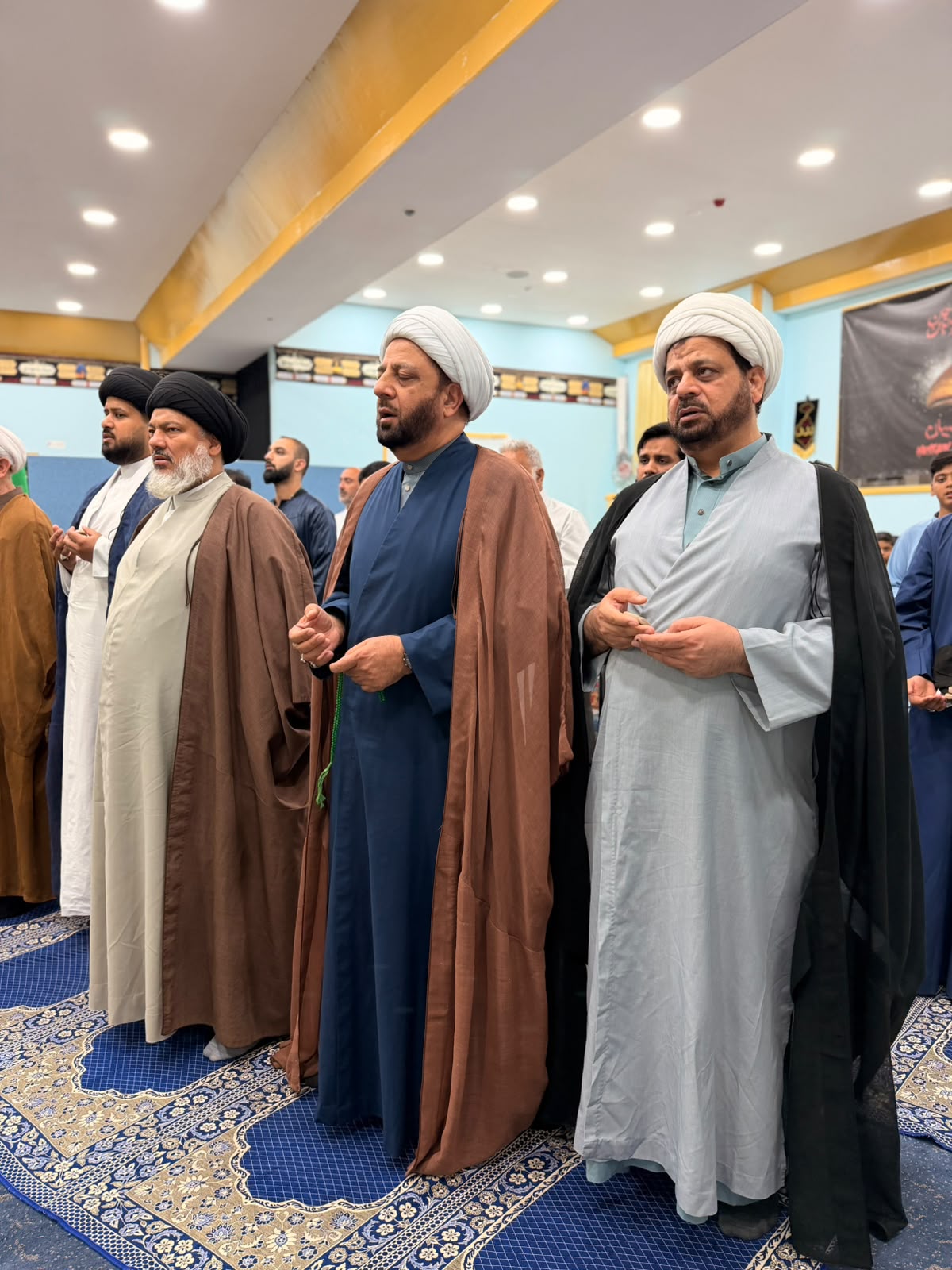
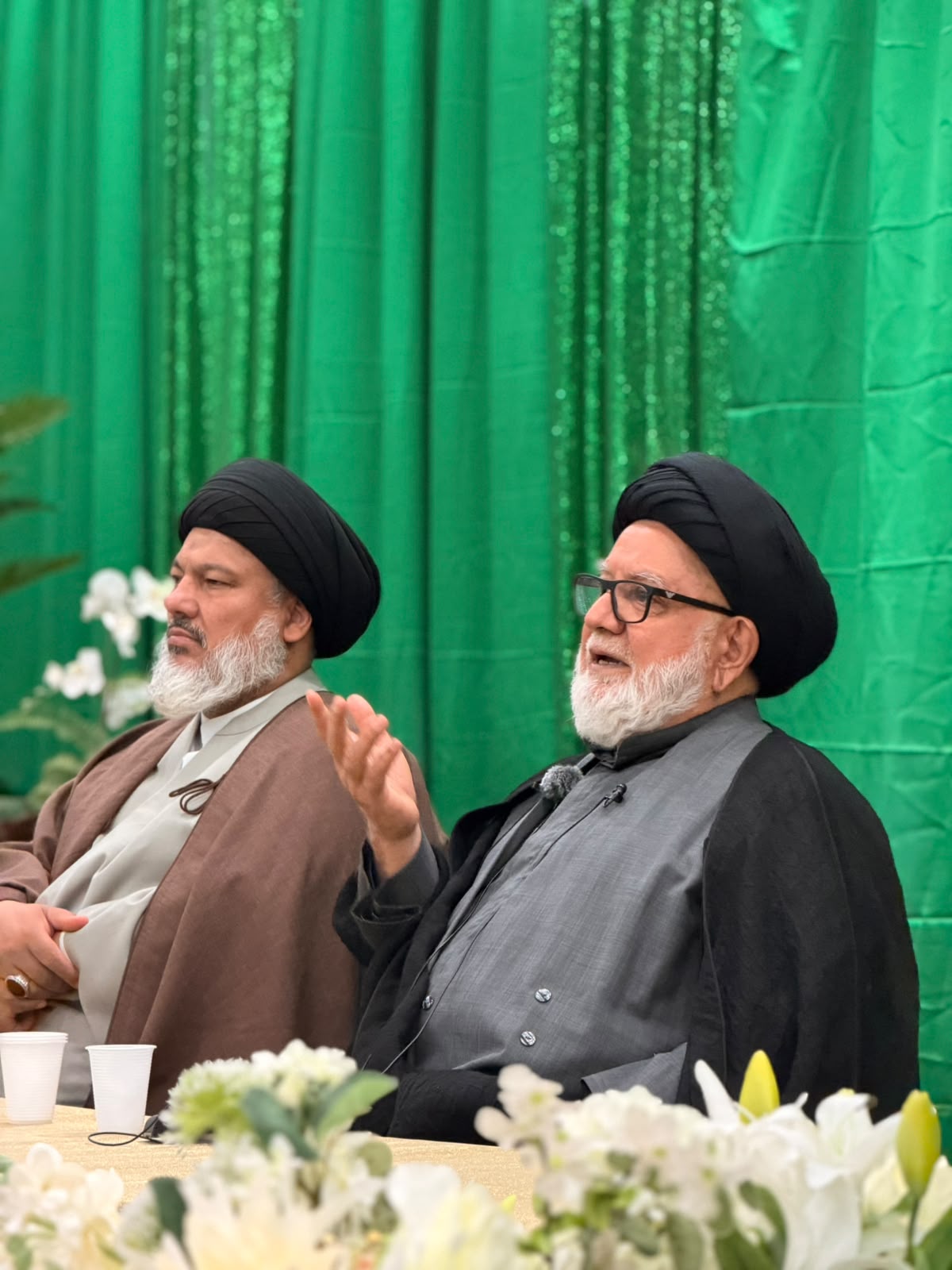
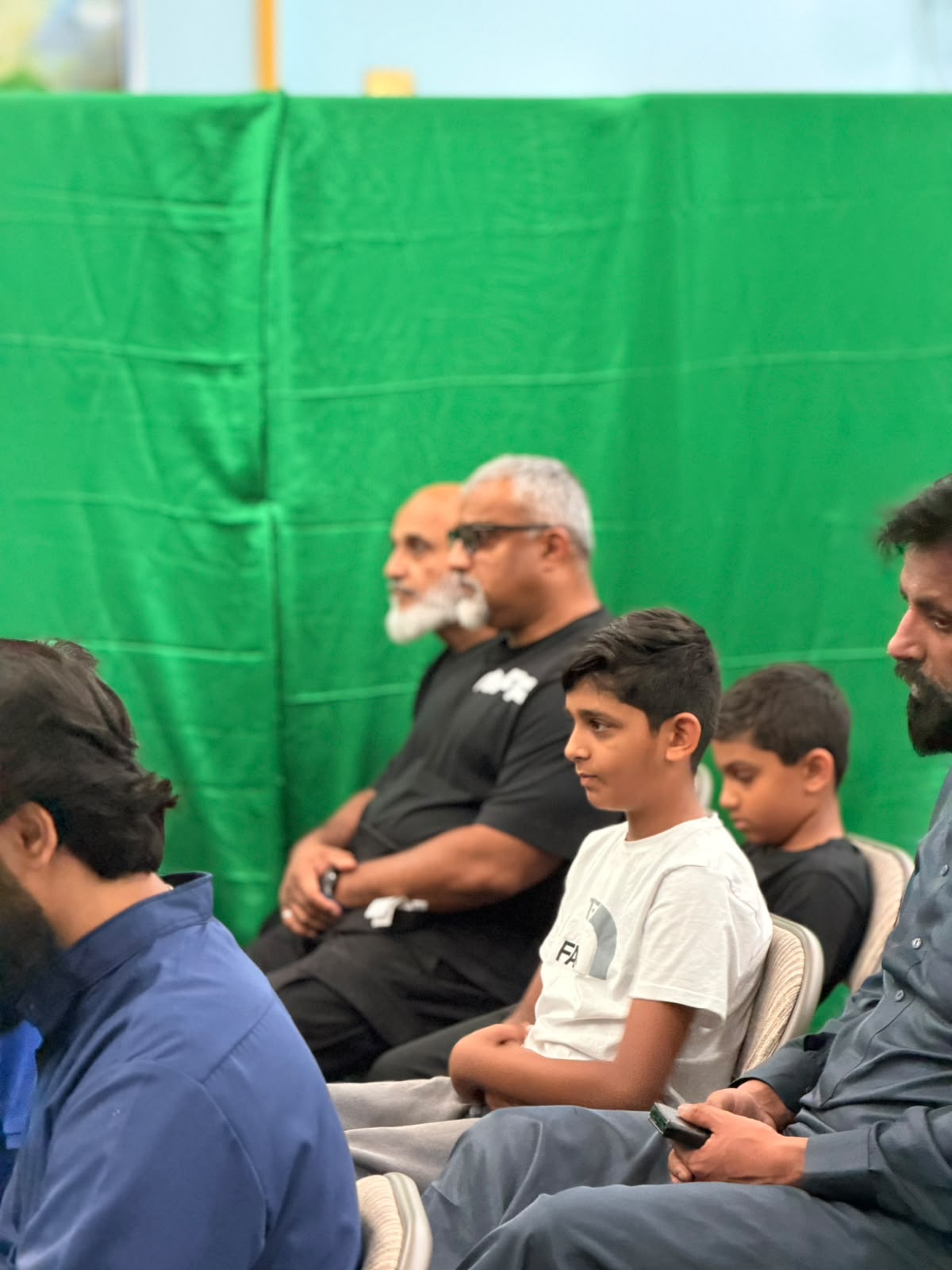
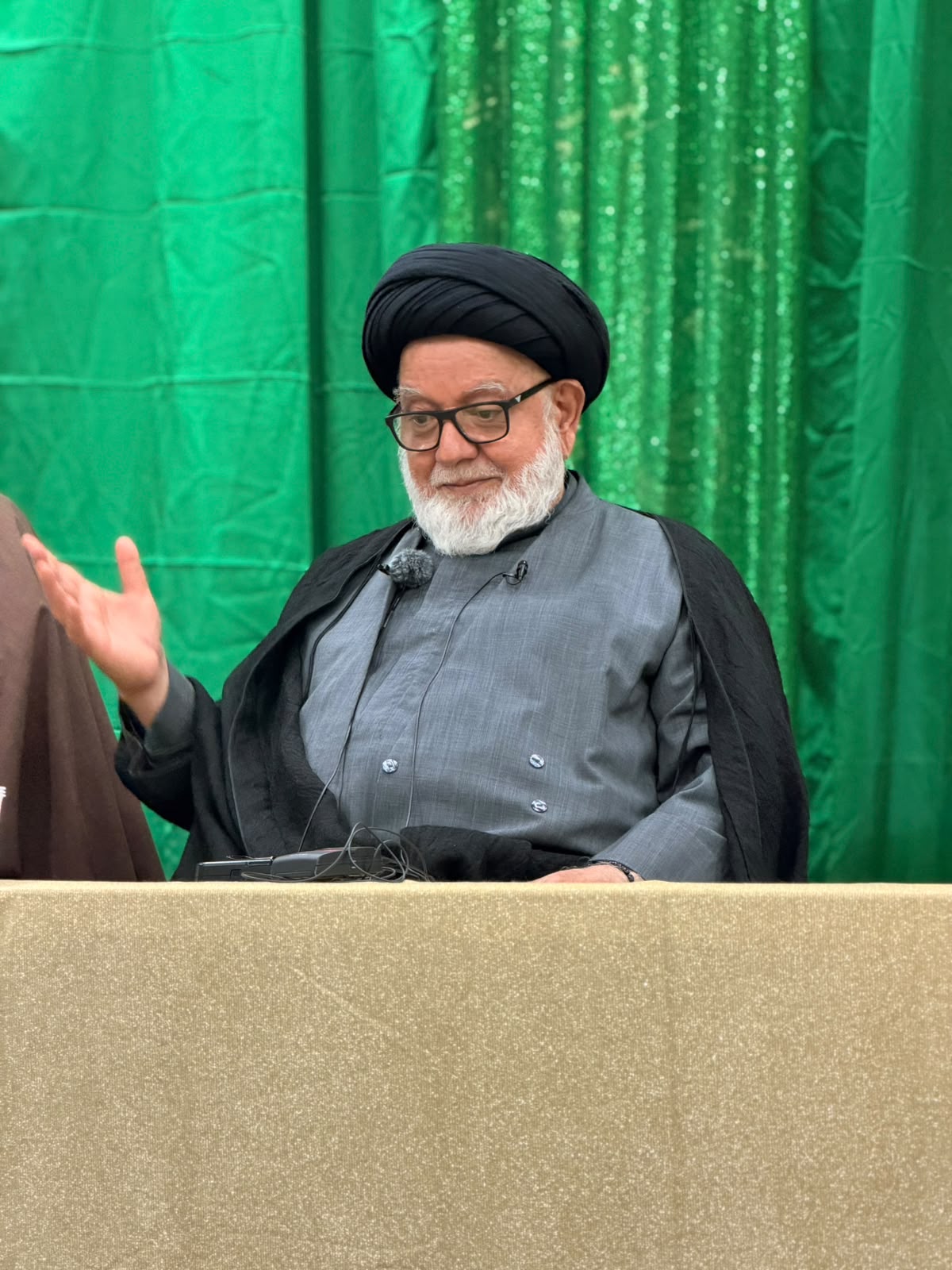
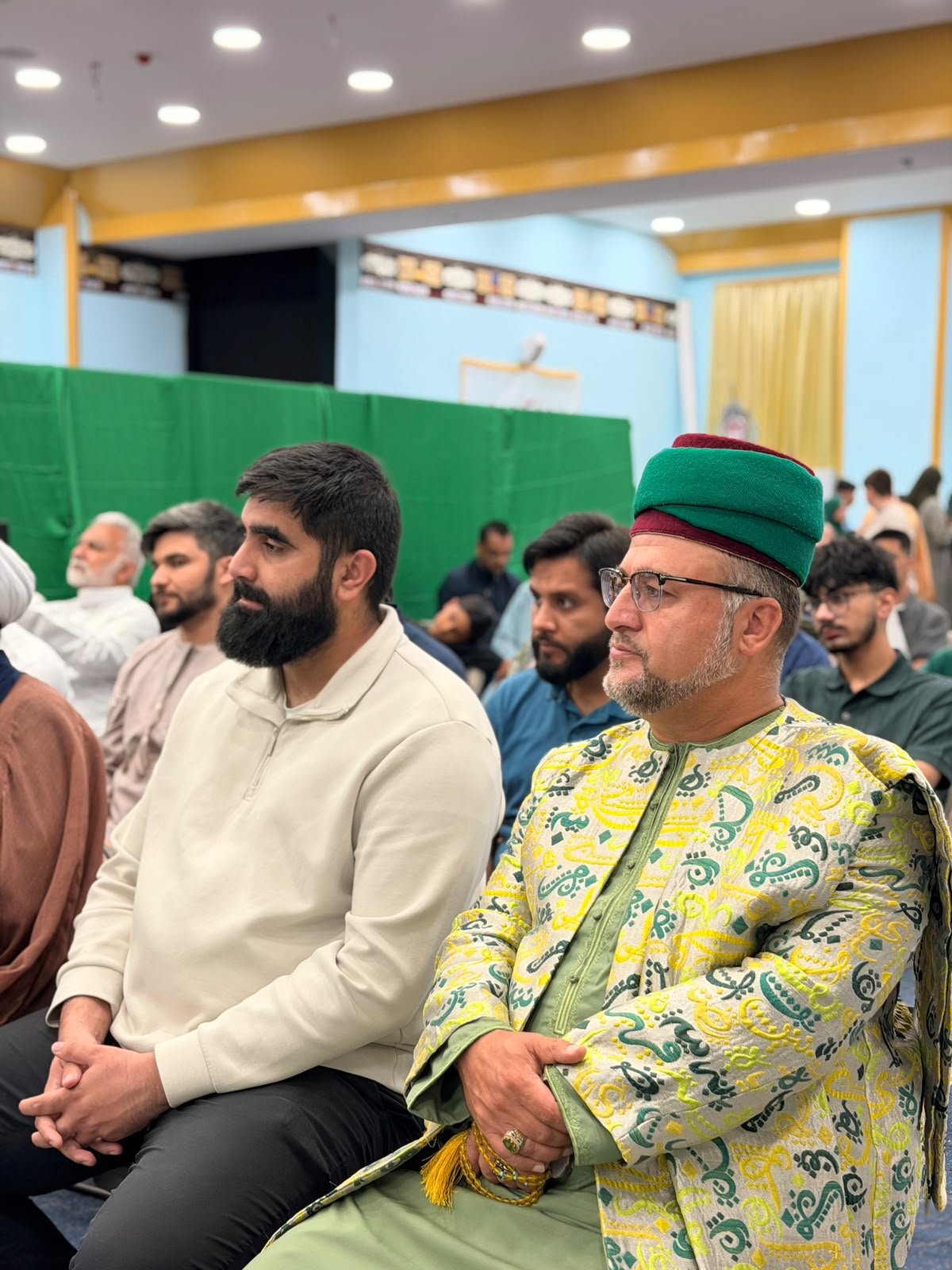
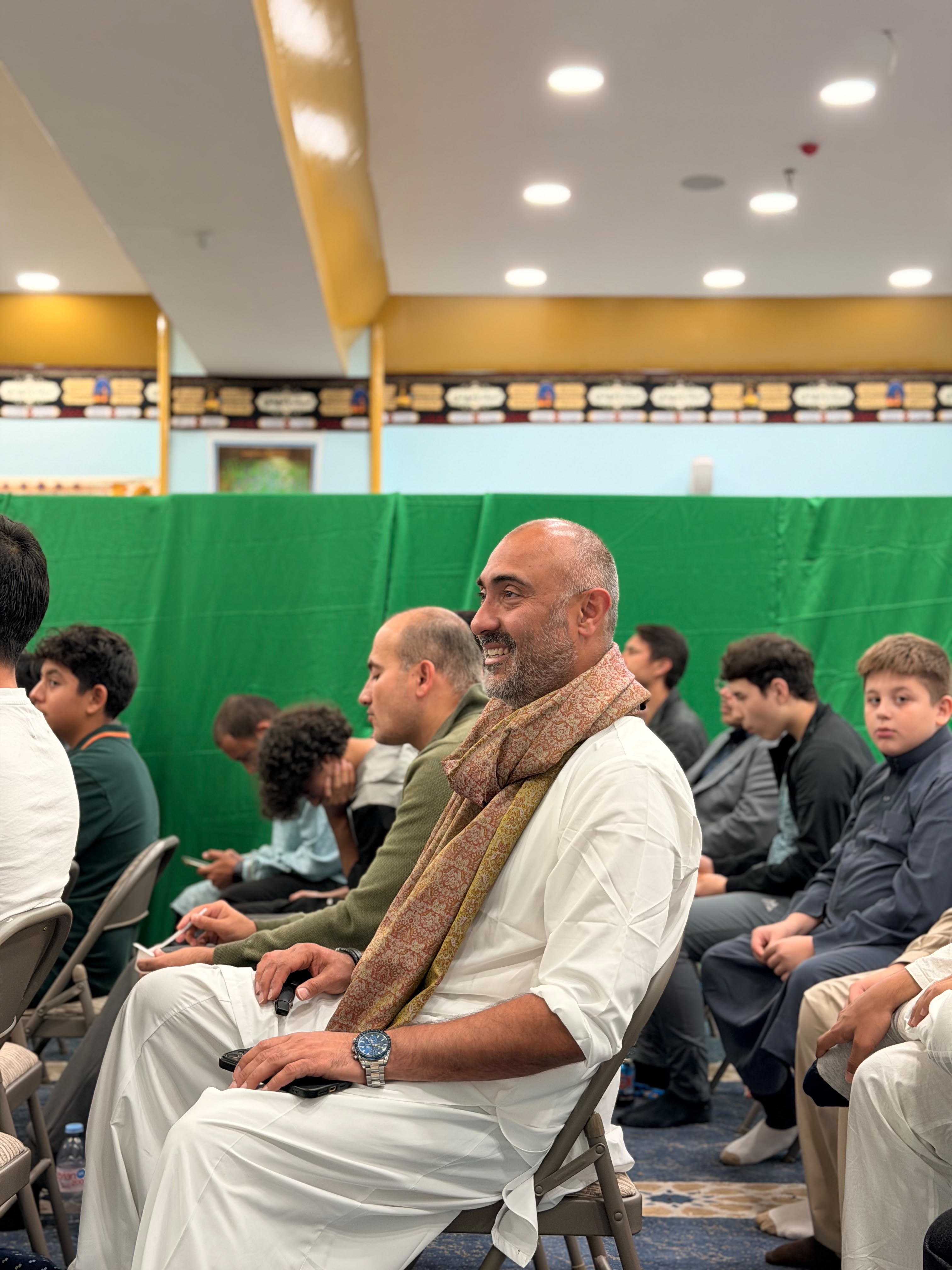
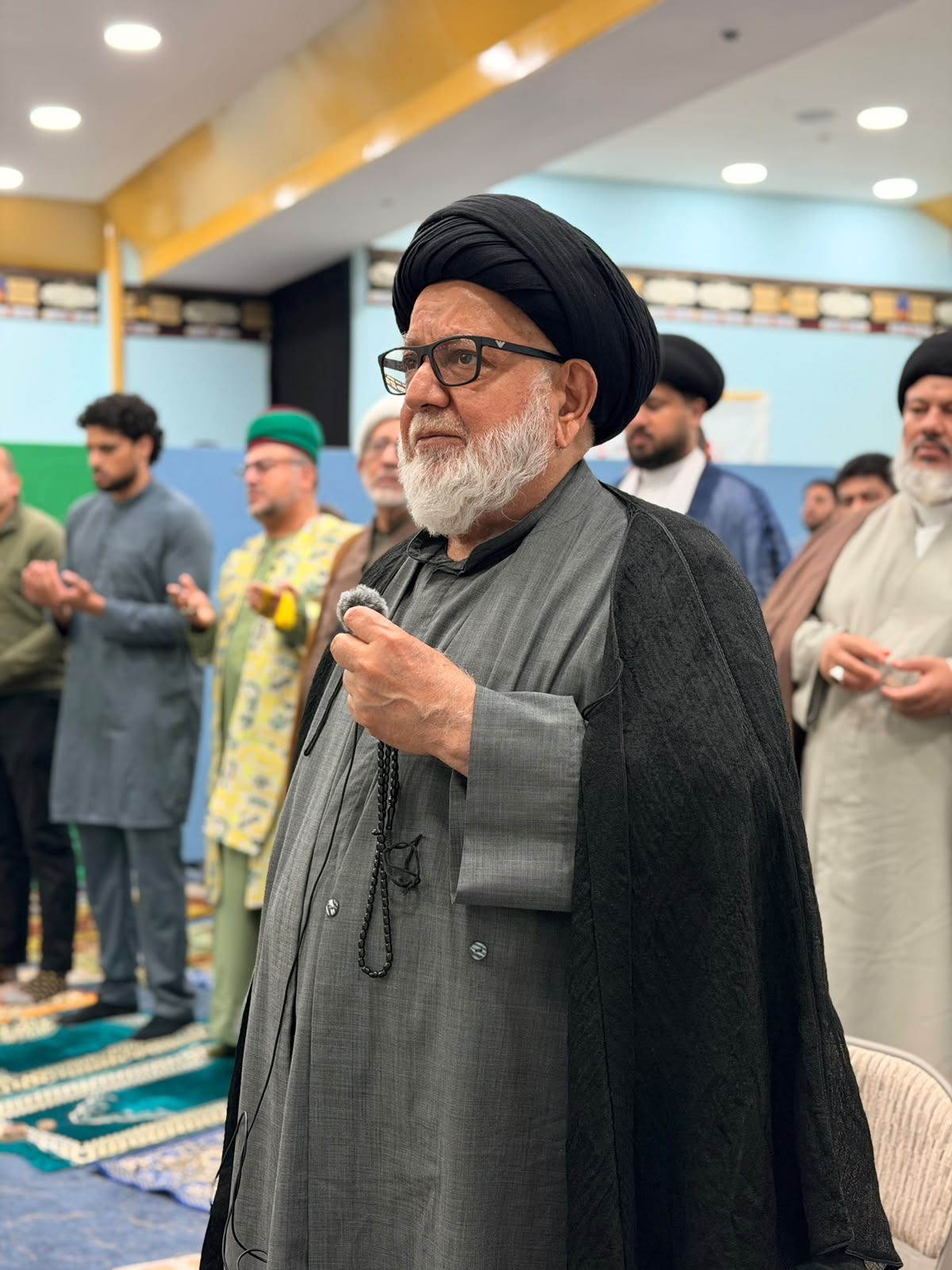
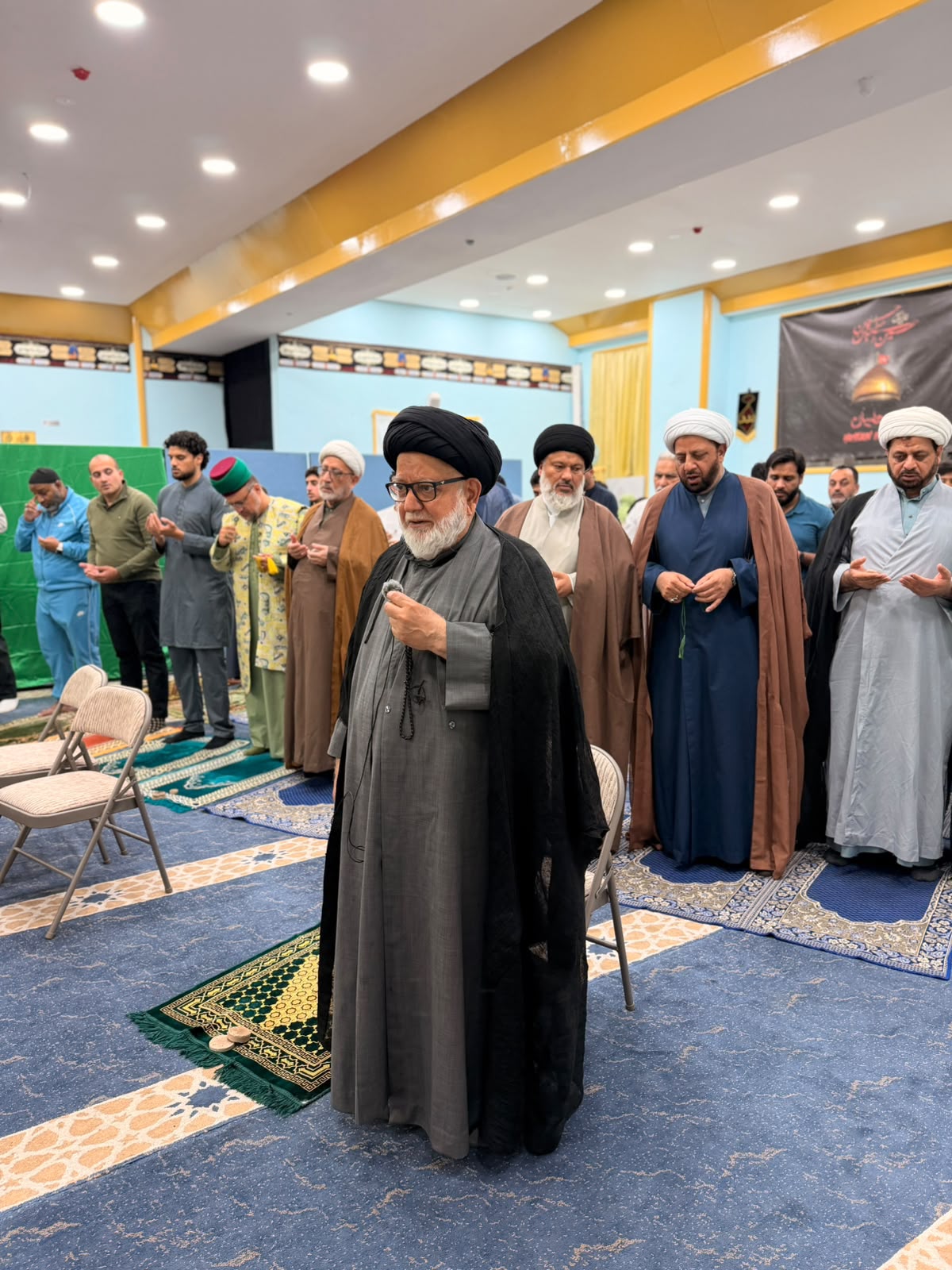
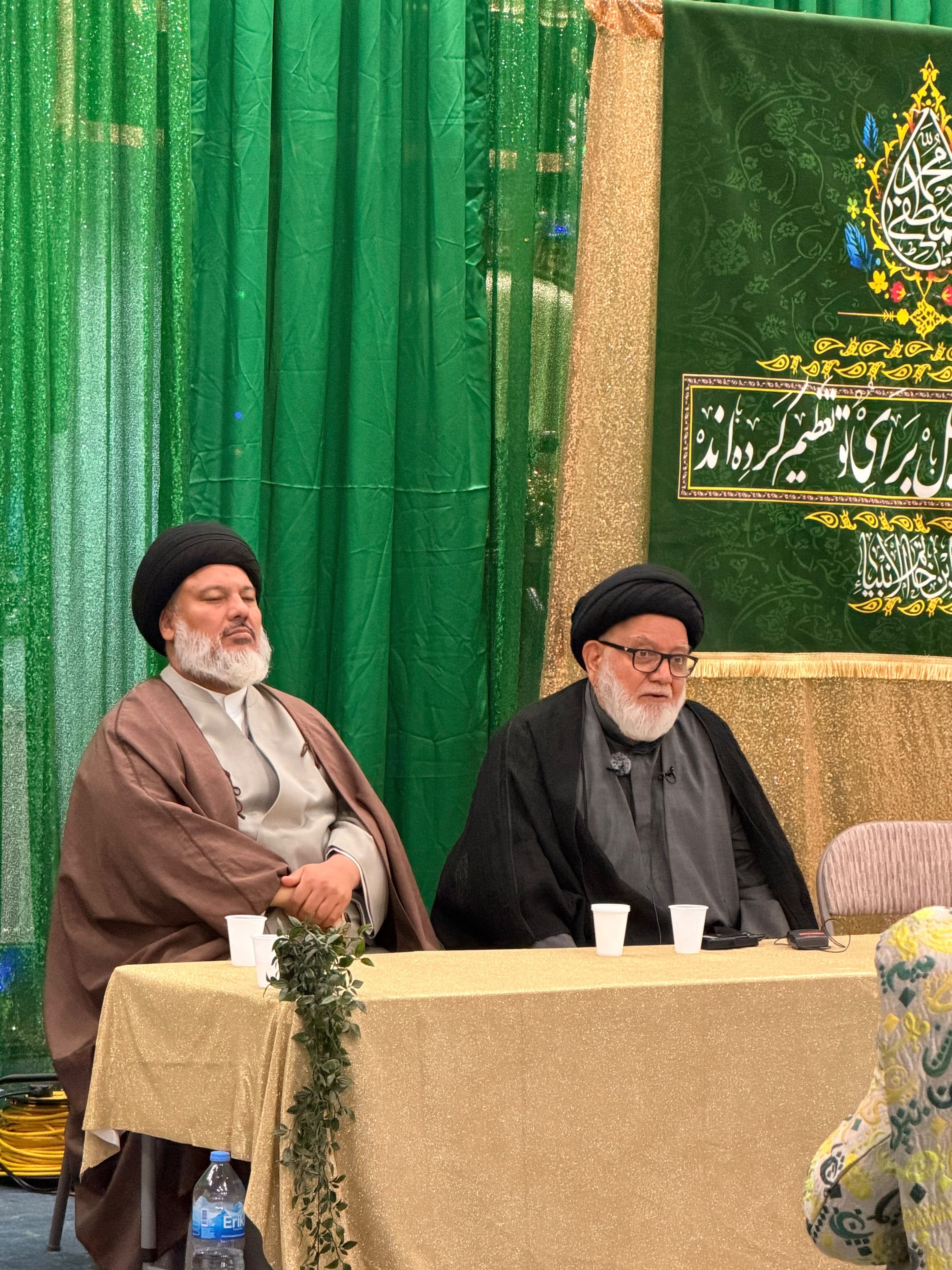
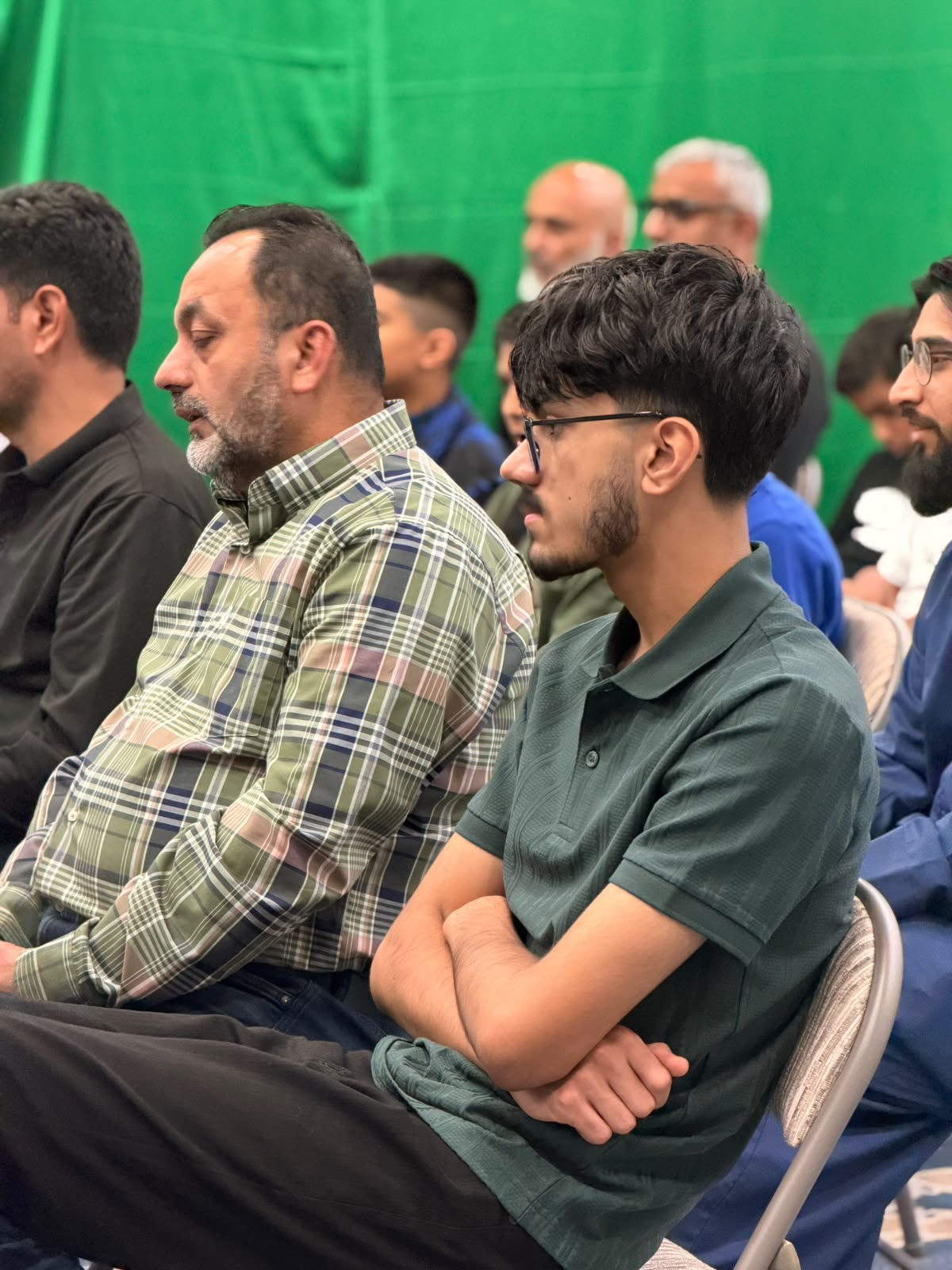
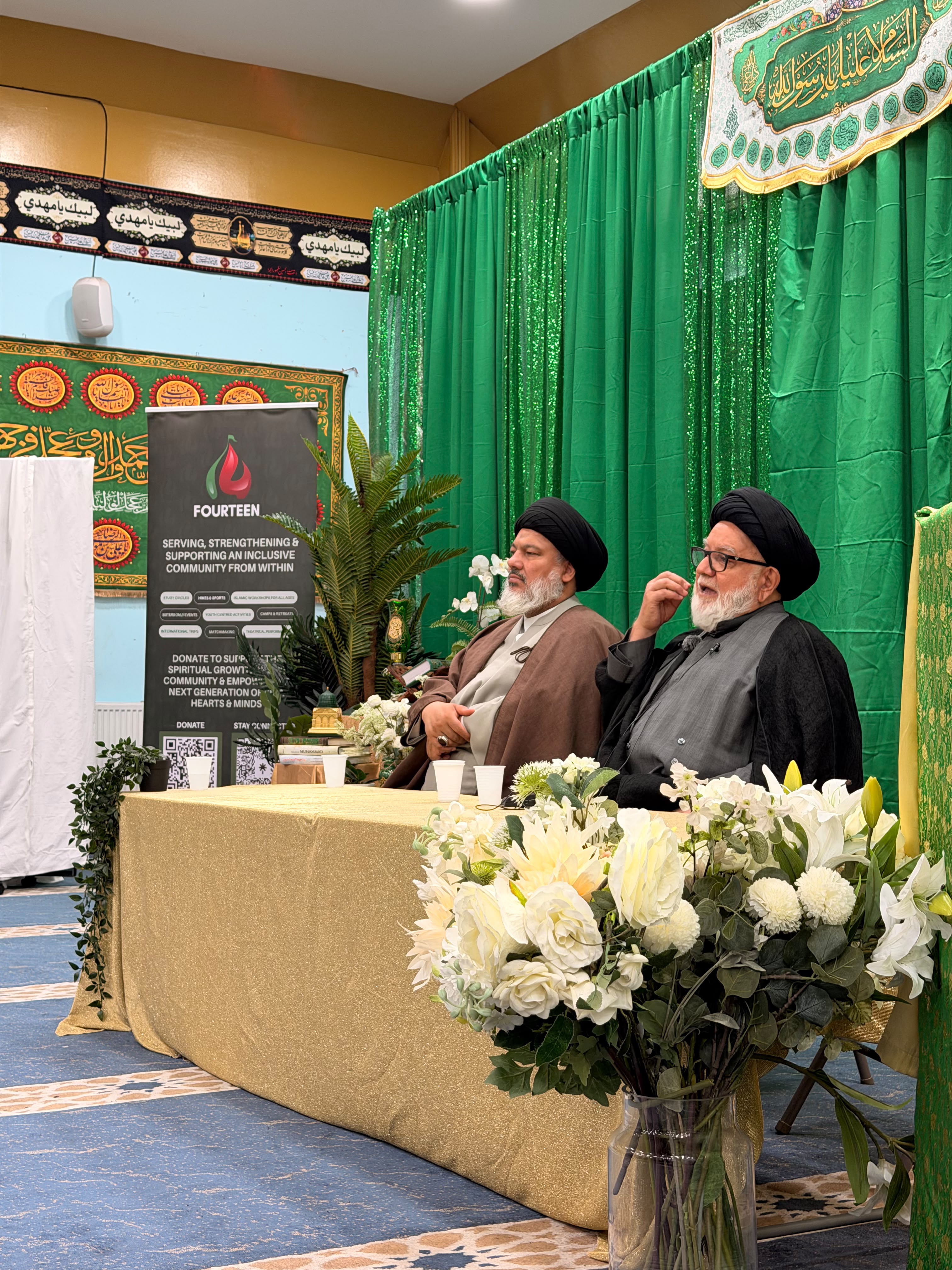
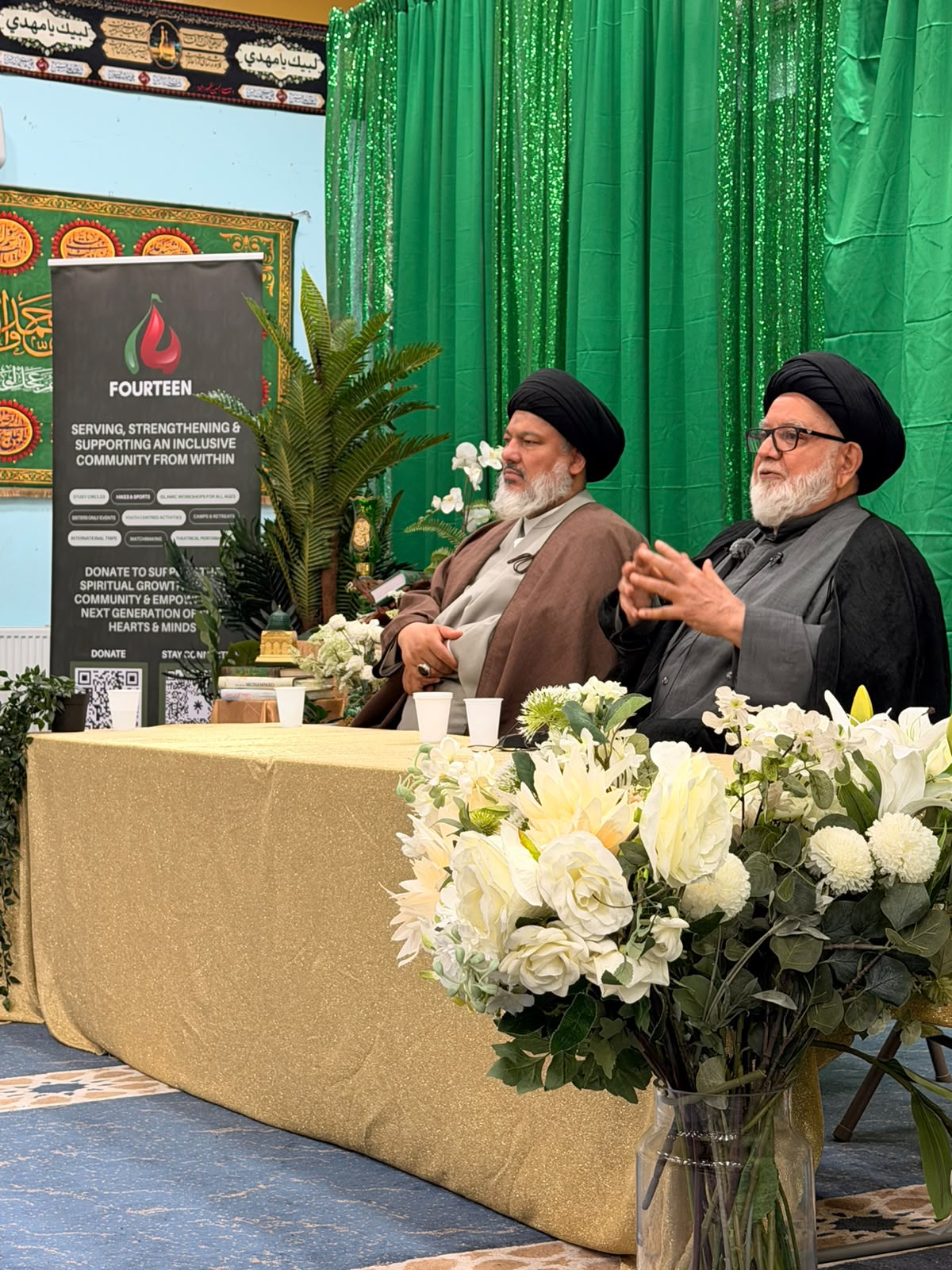
The Sakina Trust in East London held a youth gathering to mark the blessed births of the two great figures: the Noble Prophet Muhammad (peace be upon him) and his grandson, Imam Ja‘far al-Sadiq (peace be upon him). The gathering was attended by a large number of members of various Muslim communities, including Arabic-speaking and other communities.
The address focused particularly on young people, with His Eminence asking them: What does the birth of these two blessed personalities mean to you as you celebrate their births? Is it enough to limit the celebration to outward expressions of joy, or should the fragrant Prophetic biography become a starting point for transforming your lives?
True celebration is not measured by the abundance of speeches, poems, chants, songs, applause, and other expressions of happiness. Rather, what is required is that young people become more truthful, just, chaste, ethical, trustworthy, and conscious of their responsibilities, following the example of the Messenger of Allah (peace be upon him), as the Qur’an states:
“Indeed, in the Messenger of Allah you have an excellent example.”
Therefore, at a time when doubts are increasingly being raised about your beliefs and religious principles—leading some people to distance themselves from their faith and convictions—and when young people increasingly turn to Islamic institutions, centres, and scholars with questions about these and other matters, the recommendations of the Supreme Religious Authority come to reaffirm the importance of faith in Allah and the Hereafter, frequent recitation of the Holy Qur’an, and reading the supplications transmitted from the Ahl al-Bayt (peace be upon them), particularly Al-Sahifa al-Sajjadiyya, which is a school of spiritual education, conduct, morality, doctrine, faith in Almighty Allah, intellectual and spiritual development, reflection, and self-accountability.
Alongside these two great sources, there is also Nahj al-Balagha (The Peak of Eloquence). Whoever deeply reflects upon its sermons and studies them carefully is transported from a world of confusion into a world governed by faith in Allah and the Hereafter. Nahj al-Balagha presents an integrated system of values that helps young people build a conscious and balanced personality, combining strong faith with noble character.
Through it, they learn how to face the challenges of life with reason and wisdom, and how to make decisions without haste or emotional impulsiveness. It also instils in them the values of justice, truthfulness, trustworthiness, respect for others, and a sense of responsibility towards society. Furthermore, it provides them with a profound perspective on dealing with wealth, authority, friendship, work, and social relationships in a manner that preserves human dignity.
Thus, Nahj al-Balagha becomes for young people a school for building the human being, developing awareness, and elevating the self towards perfection and responsibility.
In this highly charged environment, young people must possess a faith that protects them, as well as knowledge and moral character that enable them to become beneficial to others. They should treat their parents, brothers and sisters, friends, and all other people with good character. The Supreme Religious Authority has made noble conduct a central theme of its recommendations to young people, highlighting qualities such as patience, humility, forbearance, gentleness, deliberation, and good dealings with others.
Young people are also encouraged to preserve modesty in their appearance, gaze, and conduct. At the same time, they are warned against religiously impermissible and unregulated relationships between men and women, particularly in gatherings, universities, and similar environments.
Furthermore, if we wish to be true followers of the Prophet Muhammad (peace be upon him), we must reflect the beauty of his character in the way we interact with people, particularly within societies that are diverse in their religious, sectarian, and cultural background
×![]()